Tanzania’s history is as rich and diverse as its landscapes. From the footsteps of our earliest human ancestors to centuries-old coastal trade centers, the country’s heritage tells stories of resilience, cultural exchange, and timeless beauty. Visitors can explore ancient ruins, sacred sites, and vibrant living traditions that have shaped Tanzania’s identity for millennia.
Cradle of Humankind
Tanzania holds some of the most important archaeological sites in the world.
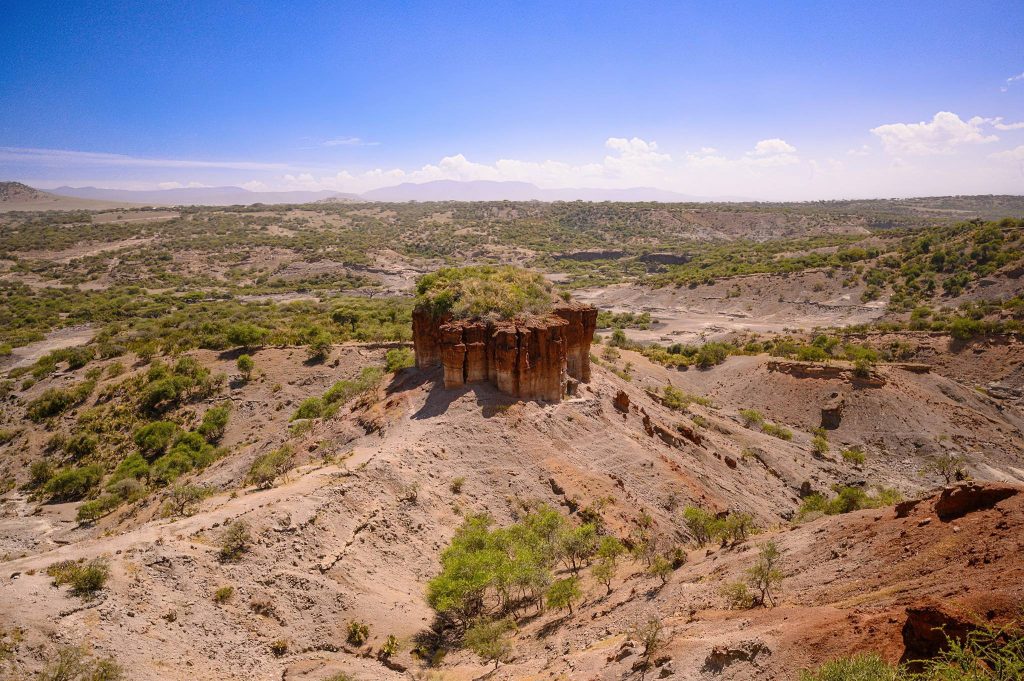
Olduvai Gorge – Known as the “Cradle of Mankind,” where fossil evidence of early humans dating back nearly two million years has been discovered.
Laetoli Footprints – The oldest known hominid footprints, preserved in volcanic ash for over 3.6 million years.
Coastal Civilizations & Trade Routes
For centuries, Tanzania’s coastline was a hub for trade between Africa, the Middle East, and Asia. The Swahili culture flourished, blending African, Arab, Persian, and Indian influences.
Kilwa Kisiwani – A UNESCO World Heritage Site, once one of the most powerful city-states in East Africa.
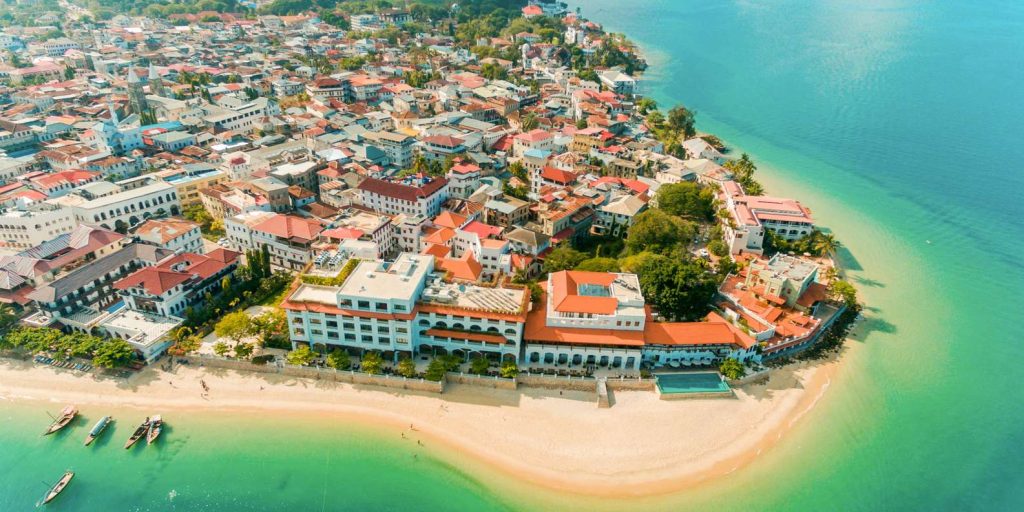
Stone Town, Zanzibar – A labyrinth of alleys, ornate doors, spice markets, and historic mosques.
Sacred and Cultural Heritage Sites
Tanzania’s cultural history lives on in sacred landscapes, rock art, and traditional communities.
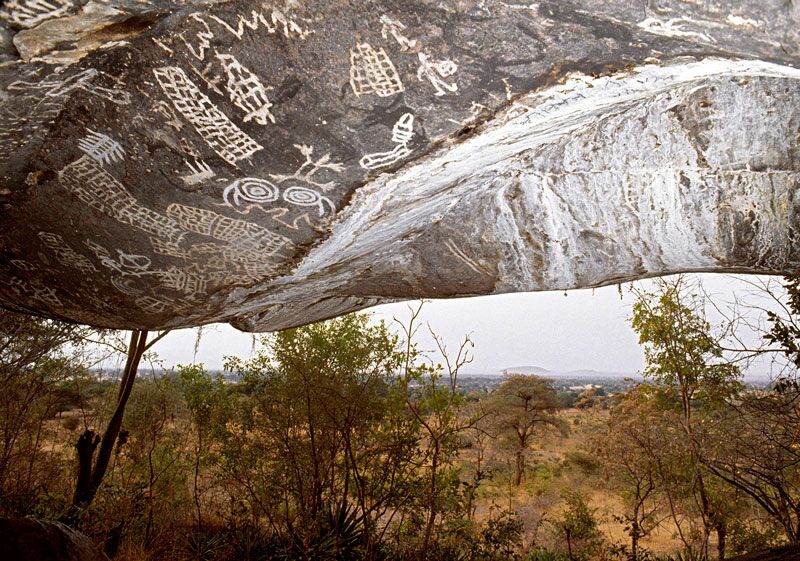
Kondoa Rock-Art Sites – Ancient paintings depicting hunting scenes, spiritual rituals, and everyday life.
Bagamoyo – A historical port town and important cultural center during the 19th century.
Living History and Traditions
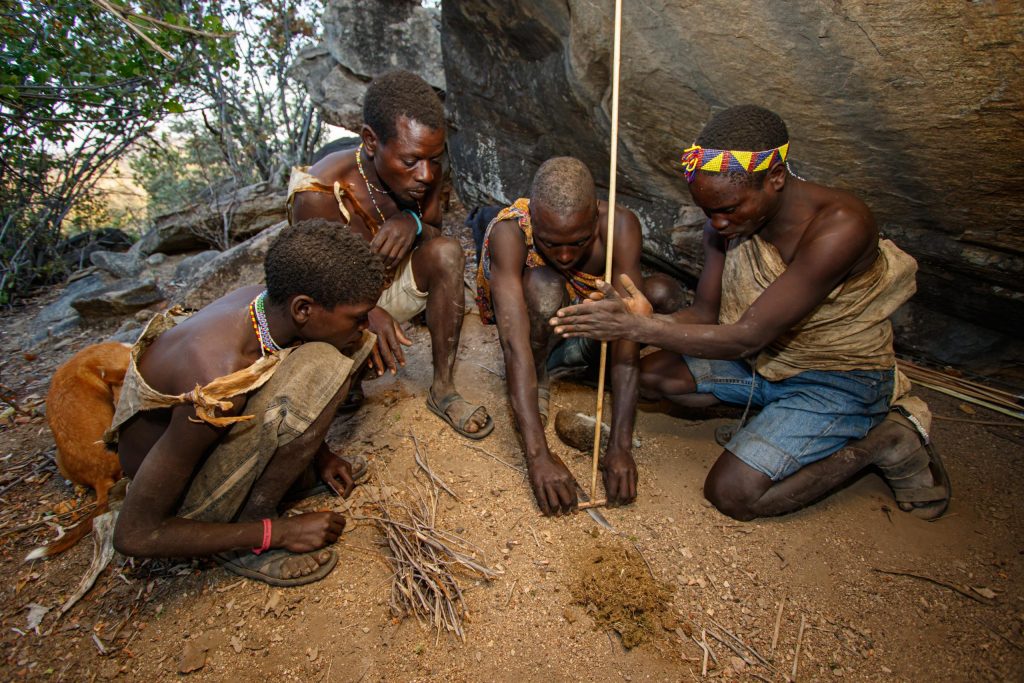
Beyond the ruins and relics, Tanzania’s history is alive in its people, languages, festivals, and crafts.
Maasai, Chagga, and Hadzabe communities offer immersive cultural experiences.
Annual festivals such as the Zanzibar International Film Festival celebrate the country’s cultural diversity.