

Experience the Natural Forest Wonders that awaken wonder and protect biodiversity
Experience the Natural Forest Wonders that awaken wonder and protect biodiversity
Natural Forest Wonders are the awe-inspiring forests that showcase the incredible diversity, beauty, and life of our planet. These forests aren’t just clusters of trees they are vibrant ecosystems filled with unique plants, animals, and landscapes that have evolved over millennia. From towering rainforests dripping with life to serene riverine woodlands, these forests hold secrets of nature’s resilience and magic, inviting us to explore, protect, and celebrate their wonders.
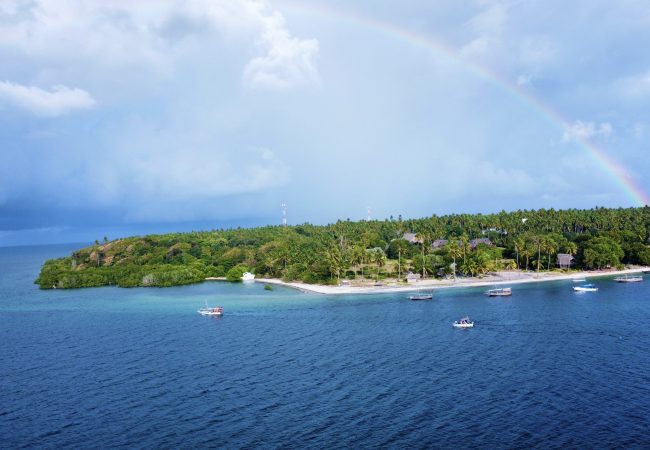
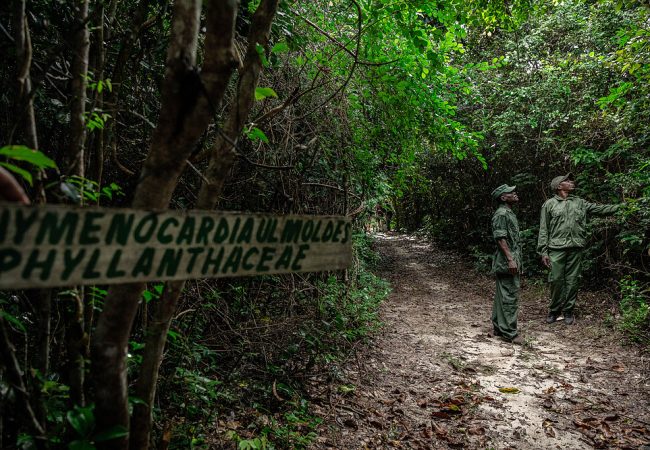
Coastal Forests
Along Tanzania’s Indian Ocean coastline, coastal forests offer a unique blend of marine and terrestrial biodiversity. These forests have adapted to salty air and sandy soils, sheltering unique species of birds, reptiles, and plants. They are also culturally significant, often home to indigenous communities with deep connections to the land and sea.
Mangrove Forests
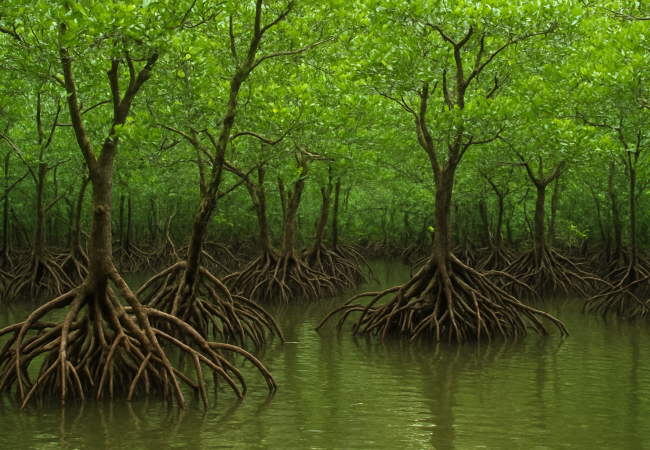
Mangrove forests grow along tropical and subtropical coastlines, where saltwater and freshwater mix. These forests are made up of salt-tolerant trees and shrubs with complex root systems that rise above the water. Mangroves act as natural barriers against storms and coastal erosion, provide breeding grounds for fish and crustaceans, and are home to unique birds and reptiles. In Tanzania, the mangroves along the Rufiji Delta and other coastal areas are vital to both biodiversity and local fisheries.
Beach Forests or Littoral Forests
Beach forests, sometimes called littoral forests, grow right on the edge of beaches and dunes. These forests are shaped by salt spray, wind, and sandy soils, hosting hardy plant species like palms, shrubs, and salt-tolerant trees. They provide important habitats for coastal birds and insects and act as a natural buffer, protecting inland areas from strong sea winds and storms.
Coastal Lowland Forests
These forests occur slightly inland from the shoreline, often on sandy or clay soils. Coastal lowland forests feature a diverse mix of trees, shrubs, and undergrowth adapted to the salty, humid environment. They support rich wildlife, including endemic birds, butterflies, and mammals. These forests also play a critical role in maintaining the health of nearby coral reefs by filtering runoff and stabilising soils.
Montane Forests
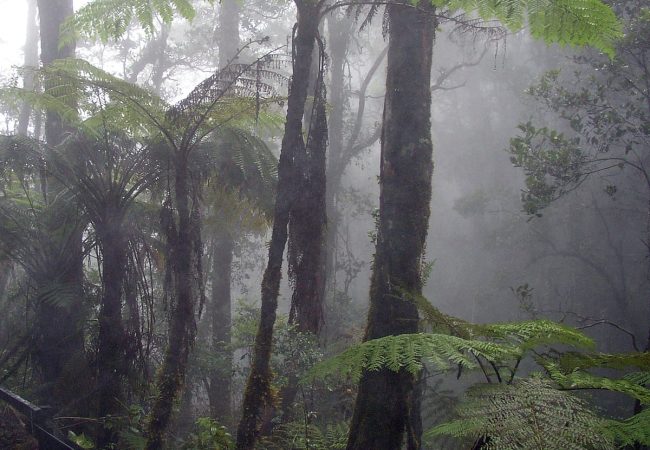
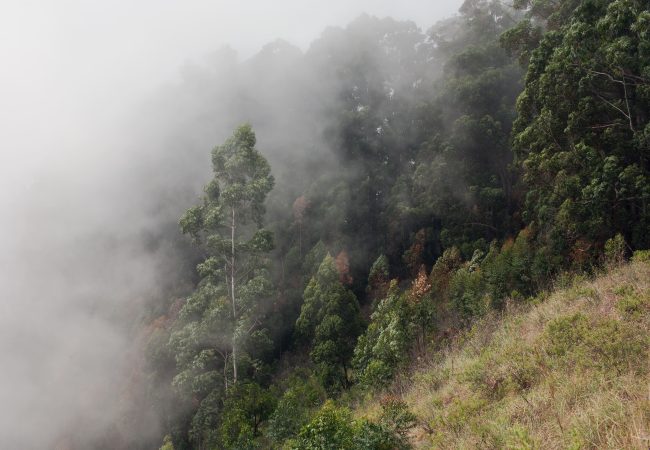
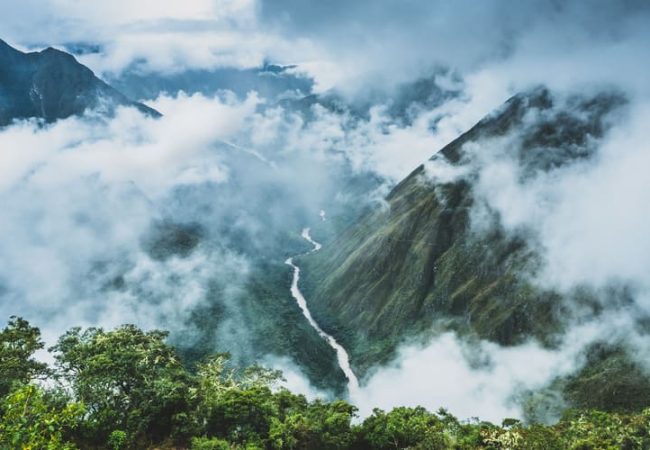
Higher up in the mountains, montane forests thrive in cooler, misty conditions. These forests often have moss-draped trees and are important refuges for endemic species. For example, the forests on Mount Kilimanjaro and Mount Meru provide critical habitats for wildlife that don’t exist anywhere else on Earth. The atmosphere here feels almost magical, with clouds swirling through the trees and rare orchids blooming in hidden corners
Tropical Montane Forest
These moist evergreen forests occur in the tropics or subtropics usually between about 1,000 m and 3,000 m elevation and are frequently shrouded in fog at canopy level. The constant moisture supports dense growths of moss, epiphytic orchids, ferns, and liverworts Typical examples include the East African montane forests. E.g Mt. Kilimanjaro, Mount Meru
Temperate Montane Forests
Found in temperate regions think Western United States, Europe, Japan these forests span mid‑elevation slopes. They typically host a mix of conifers (like fir, spruce, pine) and broadleaf trees such as oaks or beeches
Boreal or Alpine Montane Forests (Subalpine)
These appear at the highest montane elevations typically above 2,500 m where trees are stunted or sparse, often straddling the boundary with alpine grassland or tundra. Vegetation tends toward hardy conifers, ericaceous shrubs, and ground‑hugging mosses and lichens