Tanzania is more than just safaris and nature, its towns and cities are alive with culture, history, bustling markets, and modern innovations. From coastal gems to highland hubs, every urban destination offers a unique experience blending the past, present, and future.
Dar es Salaam: The Coastal Metropolis
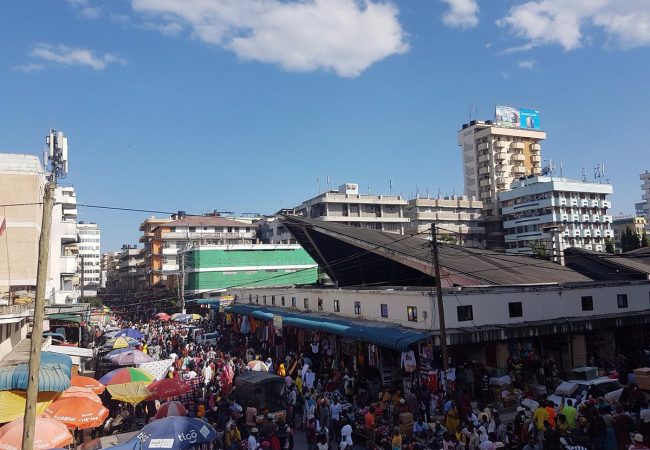
Explore Kariakoo Market, one of East Africa’s busiest marketplaces
Step into the vibrant chaos of Kariakoo Market, the largest and most dynamic market in Tanzania. Bustling with traders, colourful stalls, and an endless variety of goods, from fresh produce to textiles and electronics , this market is the heartbeat of Dar es Salaam’s local commerce. A visit here offers a sensory adventure where you can witness authentic Tanzanian urban life, bargain like a local, and sample street food favourites.
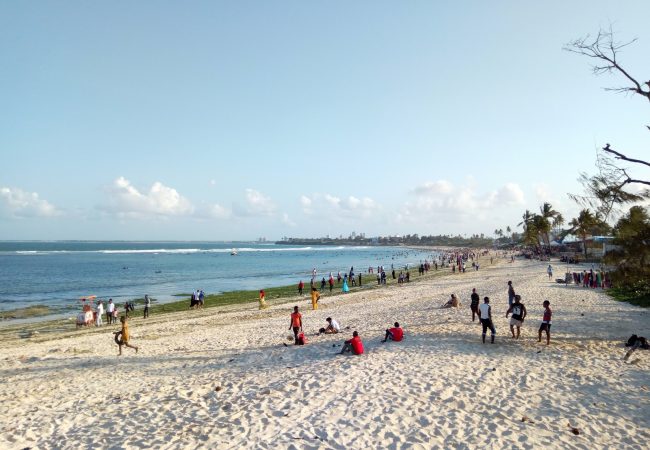
Relax on Coco Beach or take a short boat ride to Bongoyo Island
Escape the city buzz by heading to Coco Beach, a popular seaside spot where locals gather for relaxation, especially on weekends. For a more secluded experience, catch a boat from the Msasani Peninsula to Bongoyo Island, a small, uninhabited island known for its pristine beaches, crystal-clear waters, and excellent snorkeling spots. It’s the perfect day trip for sunbathing, swimming, and enjoying fresh seafood by the sea.
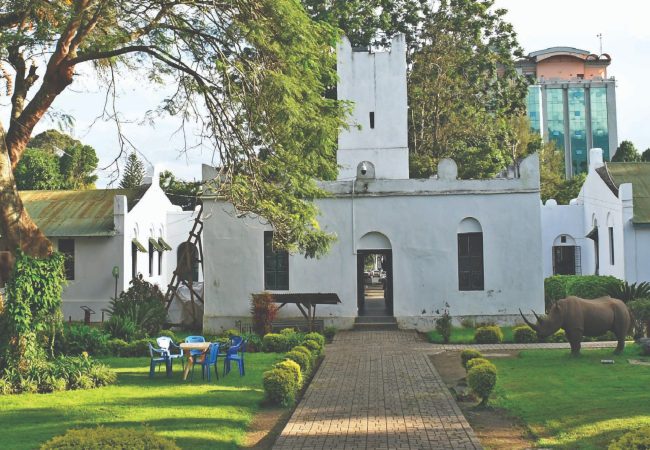
Visit the National Museum for a dive into Tanzanian history
Uncover Tanzania’s rich history and cultural heritage at the National Museum of Tanzania. Located in the city centre, the museum showcases exhibits ranging from ancient fossils, including those of early hominids discovered by the Leakey family, to colonial artifacts and displays on the country’s independence journey. It’s an educational stop that offers deeper insights into Tanzania’s diverse past and identity.
Arusha: The Safari Capital
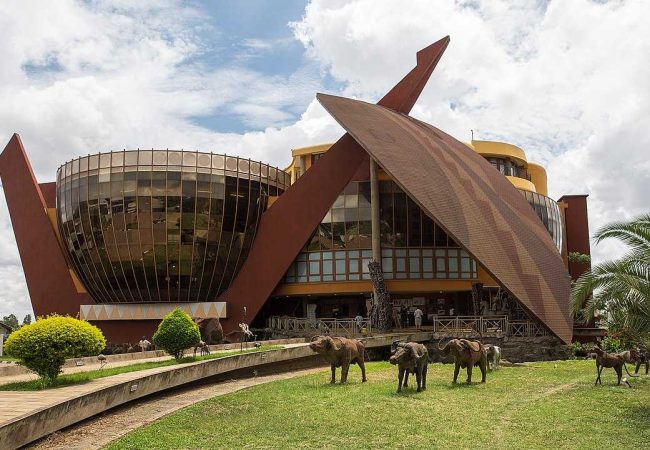
Visit the Arusha Cultural Heritage Centre
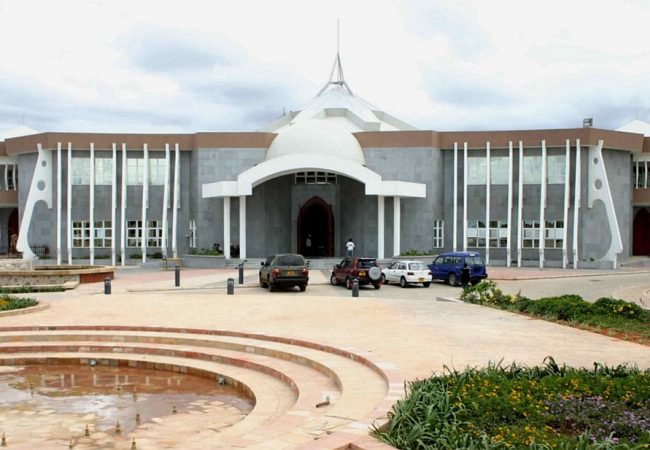
This architectural marvel is more than just a gallery, the Arusha Cultural Heritage Centre is a vibrant space showcasing Tanzania’s diverse ethnic cultures. Visitors can explore intricate sculptures, traditional crafts, jewellery, and paintings from across the country, all under one roof. It’s a must-visit for art lovers and those interested in Tanzania’s rich cultural mosaic
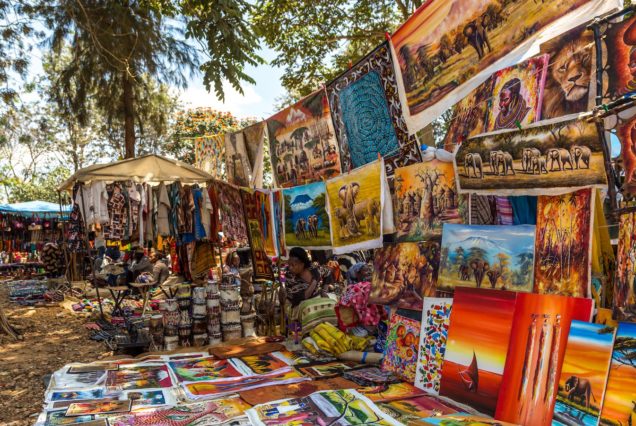
Explore local Maasai markets for unique crafts
In and around Arusha, the Maasai markets offer an authentic shopping experience. Here, you’ll find beautifully beaded jewelry, handmade sandals, colorful fabrics, and wood carvings crafted by the Maasai and other local artisans. These markets are not just places to buy souvenirs but also vibrant spaces where cultural exchange thrives.
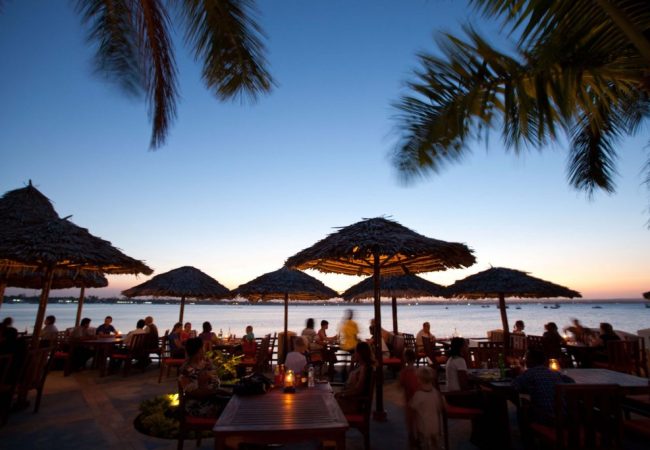
Experience vibrant nightlife and restaurants
As a gateway to safaris, Arusha also surprises visitors with its lively nightlife scene. From stylish lounges to energetic nightclubs, and a variety of restaurants serving both local and international cuisine, the city offers plenty of ways to unwind after a day of adventure.
Mwanza: The Rock City
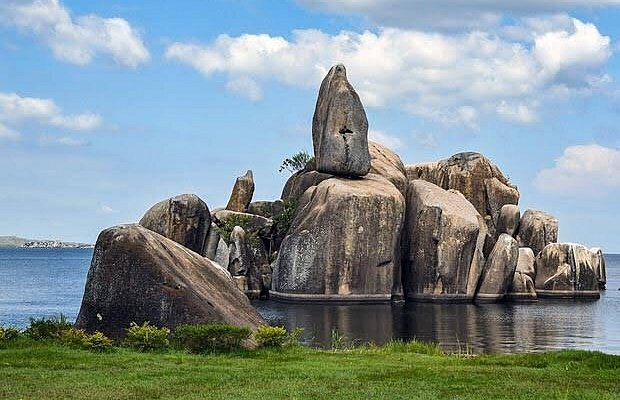
Visit the famous Bismarck Rock
Perched dramatically on Lake Victoria, Bismarck Rock is an iconic natural formation and a symbol of Mwanza. It’s a perfect photo spot, especially at sunrise or sunset when the rock is silhouetted against the shimmering lake.
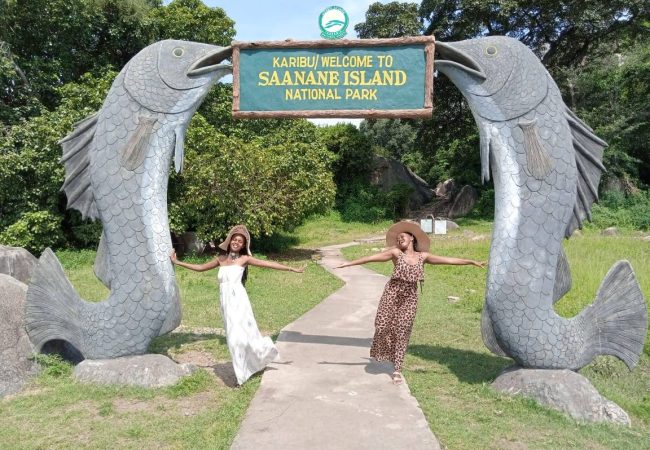
Explore Saanane Island National Park, a unique urban wildlife park
Located just a boat ride away from the city, Saanane Island National Park is the only wildlife park situated within a city in Tanzania. The park offers encounters with animals like zebras, impalas, and monkeys, as well as activities such as hiking, fishing, and bird watching, all with stunning lake views.
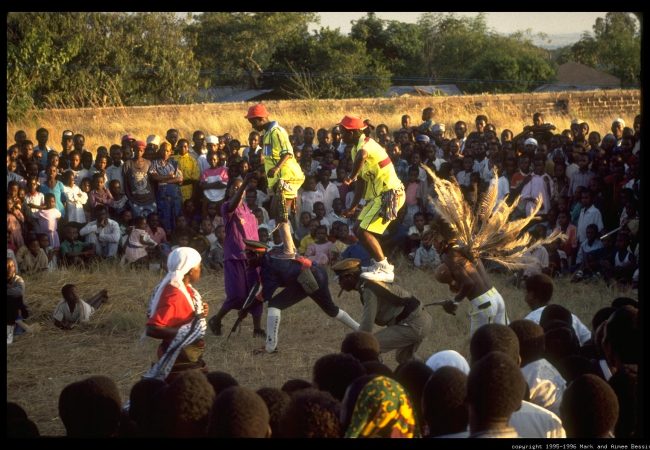
Experience traditional Sukuma culture
Mwanza is the heartland of the Sukuma people, Tanzania’s largest ethnic group. Visitors can engage with traditional dance performances, storytelling sessions, and visit local cultural centers to learn about Sukuma heritage and customs.
Zanzibar City: The Spice Island’s Cultural Jewel
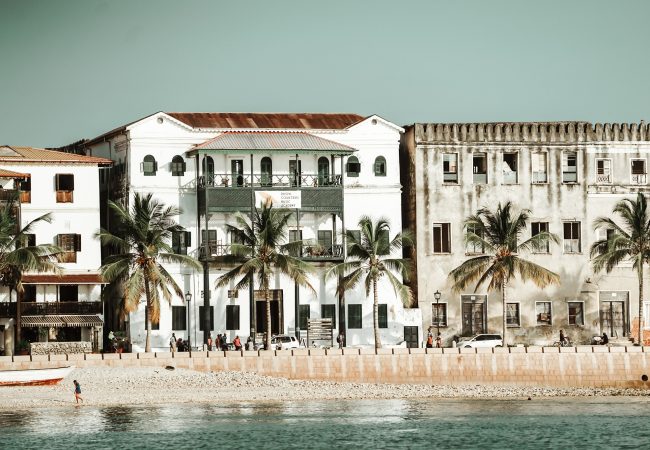
Wander the labyrinthine alleys of Stone Town
Stone Town, the historic quarter of Zanzibar City, is a maze of narrow alleys, ancient architecture, and bustling bazaars. Walking here feels like stepping back in time, with ornate wooden doors, Arab-influenced buildings, and echoes of the island’s Swahili, Arab, and colonial history around every corner.
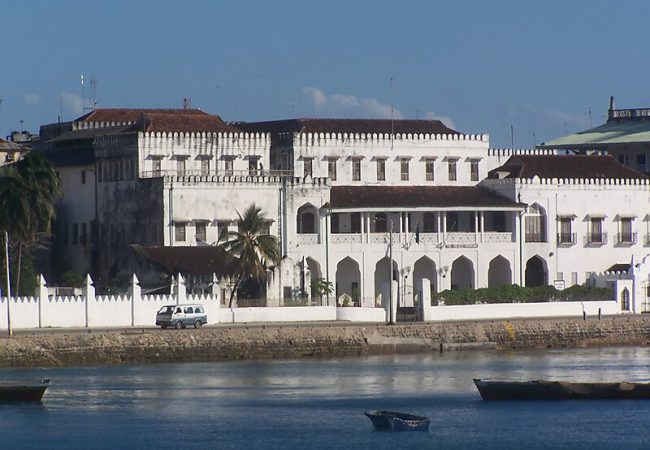
Visit the House of Wonders and Old Fort
Two of Stone Town’s most prominent landmarks, the House of Wonders , once the most modern building in East Africa, and the Old Fort, offer glimpses into Zanzibar’s rich past. The Old Fort also hosts cultural festivals, markets, and live performances, bringing history to life.
Take a Spice Tour through nearby plantations
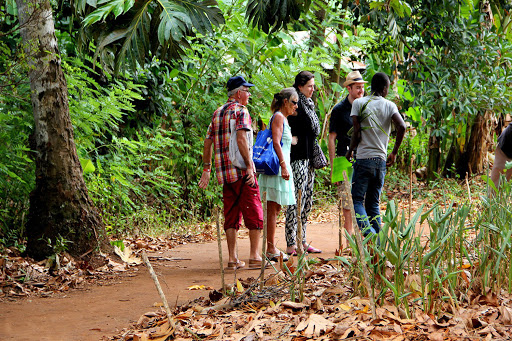
Zanzibar is famously known as the Spice Island, and a guided spice tour takes visitors to lush plantations where they can see, smell, and taste spices like cloves, nutmeg, and vanilla. These tours provide insight into Zanzibar’s historic role in the global spice trade.
Dodoma: The Capital City
Tour the Tanzanian Parliament buildings
As the political capital of Tanzania, Dodoma is home to the national Parliament. While tours are limited, visitors can admire the architecture from outside and understand the city’s significance in national governance.
Visit Chinangali Cultural Centre
The Chinangali Cultural Centre is a key spot for anyone interested in the central Tanzanian cultural heritage. The center showcases traditional music, dance, and arts from the region, offering immersive experiences for tourists.
Discover local wineries and taste Tanzanian wines
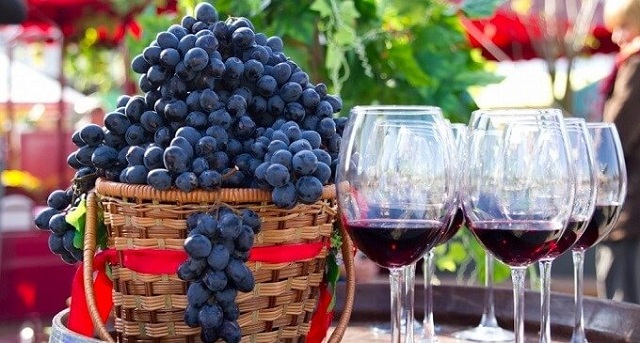
Dodoma’s climate is suitable for vineyards, and visitors can tour local wineries, such as CETAWICO, to learn about wine production in Tanzania and enjoy wine tasting sessions that highlight locally grown grape varieties.
Moshi: The Gateway to Kilimanjaro
Perfect base for Kilimanjaro treks
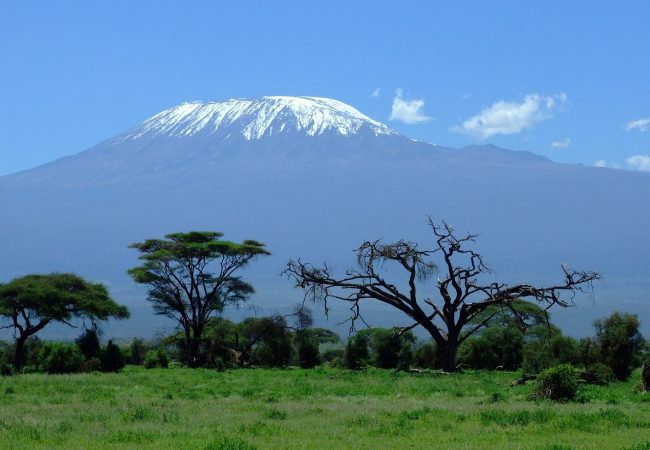
Moshi is the starting point for most expeditions to Mount Kilimanjaro, the highest peak in Africa. Whether you’re climbing or simply admiring the mountain from town, Moshi provides all the support services for trekkers.
Stroll through local coffee plantations
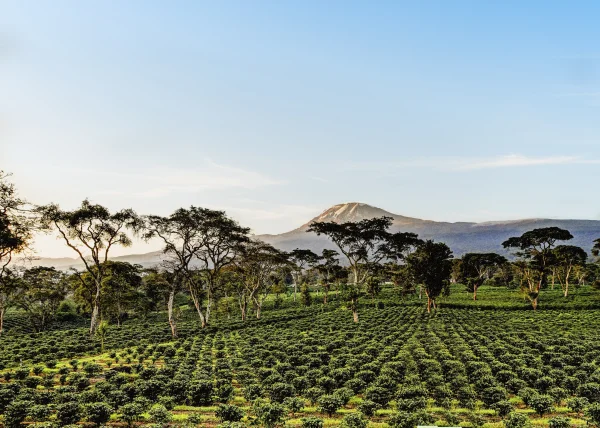
The surrounding areas of Moshi are dotted with coffee plantations run by local farmers. Guided tours offer an opportunity to learn about coffee growing and processing, from bean to cup, while sampling fresh brews right on the farm.
Experience the Chagga cultural heritage
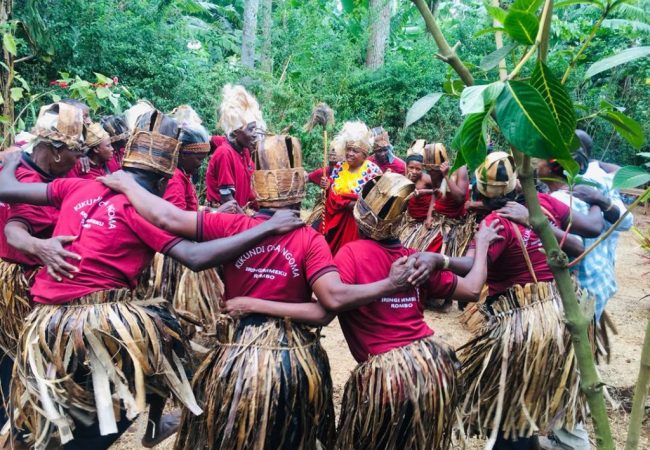
The Chagga people, native to the Kilimanjaro region, have a rich cultural history. Visitors can explore traditional Chagga homes, underground tunnels used during tribal wars, and the Chagga Live Museum, which provides insights into their customs, traditions, and livelihood